Elsa Schiaparelli
By Tiziana Aiello
May 07, 2026
Meeting Schiaparelli in the Flesh: Why the V&A Exhibition Was Everything I’d Hoped For
As a longtime admirer of Elsa Schiaparelli, I’ve spent years obsessing over her work in coffee-table books, exhibition catalogs, and low-res archives.
But studying her genius on a screen is one thing—standing inches away from her actual creations at the Victoria and Albert Museum is a completely different emotional frequency.
I booked my ticket to Fashion Becomes Art the moment it was announced.
I didn't stumble in to escape the rain; I went on a deliberate pilgrimage.
I was desperate to see the historic, revolutionary pieces in real life—and equally eager to see how Daniel Roseberry’s modern couture held up when placed directly alongside the masters.
It exceeded every single expectation.
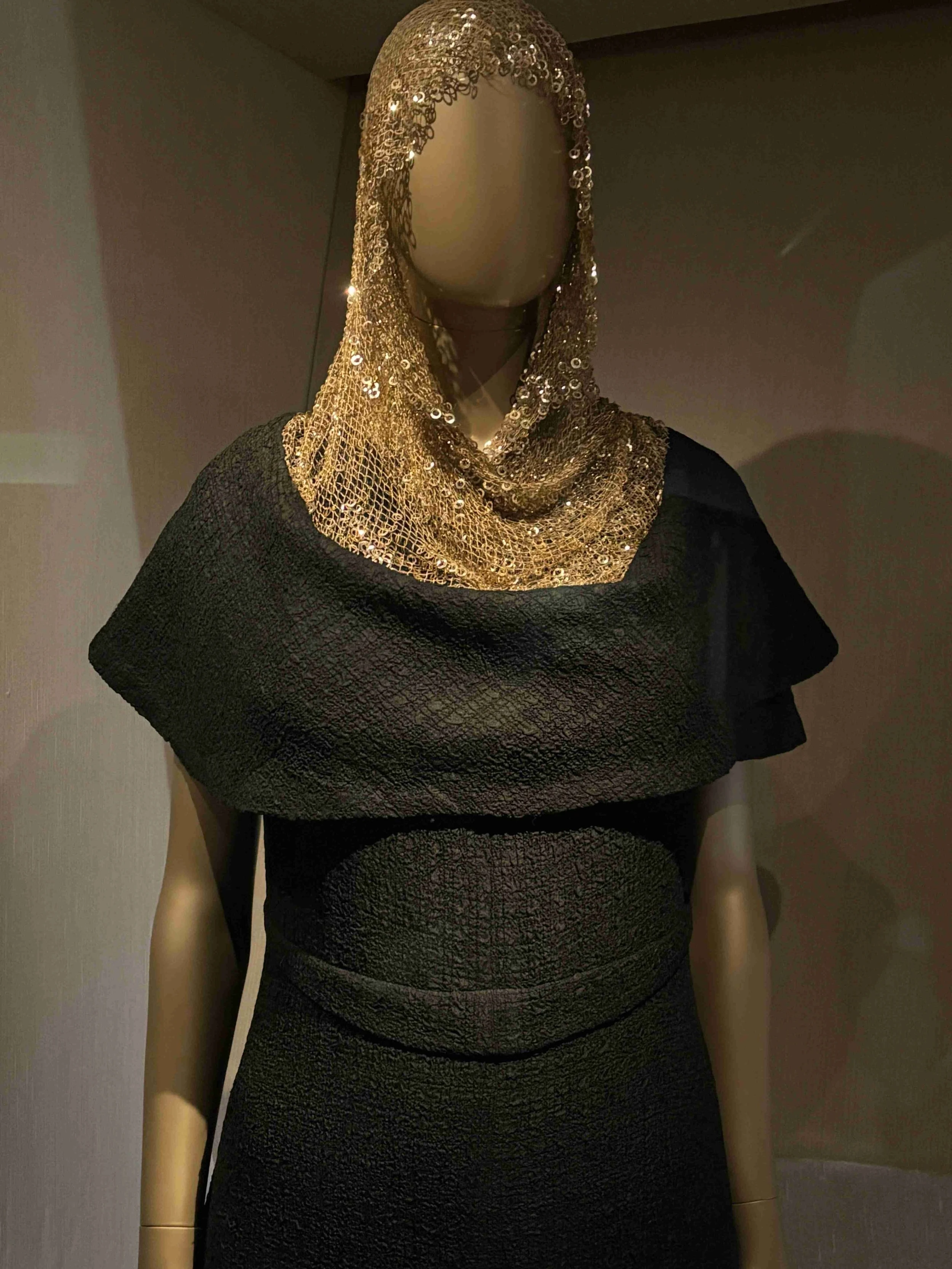
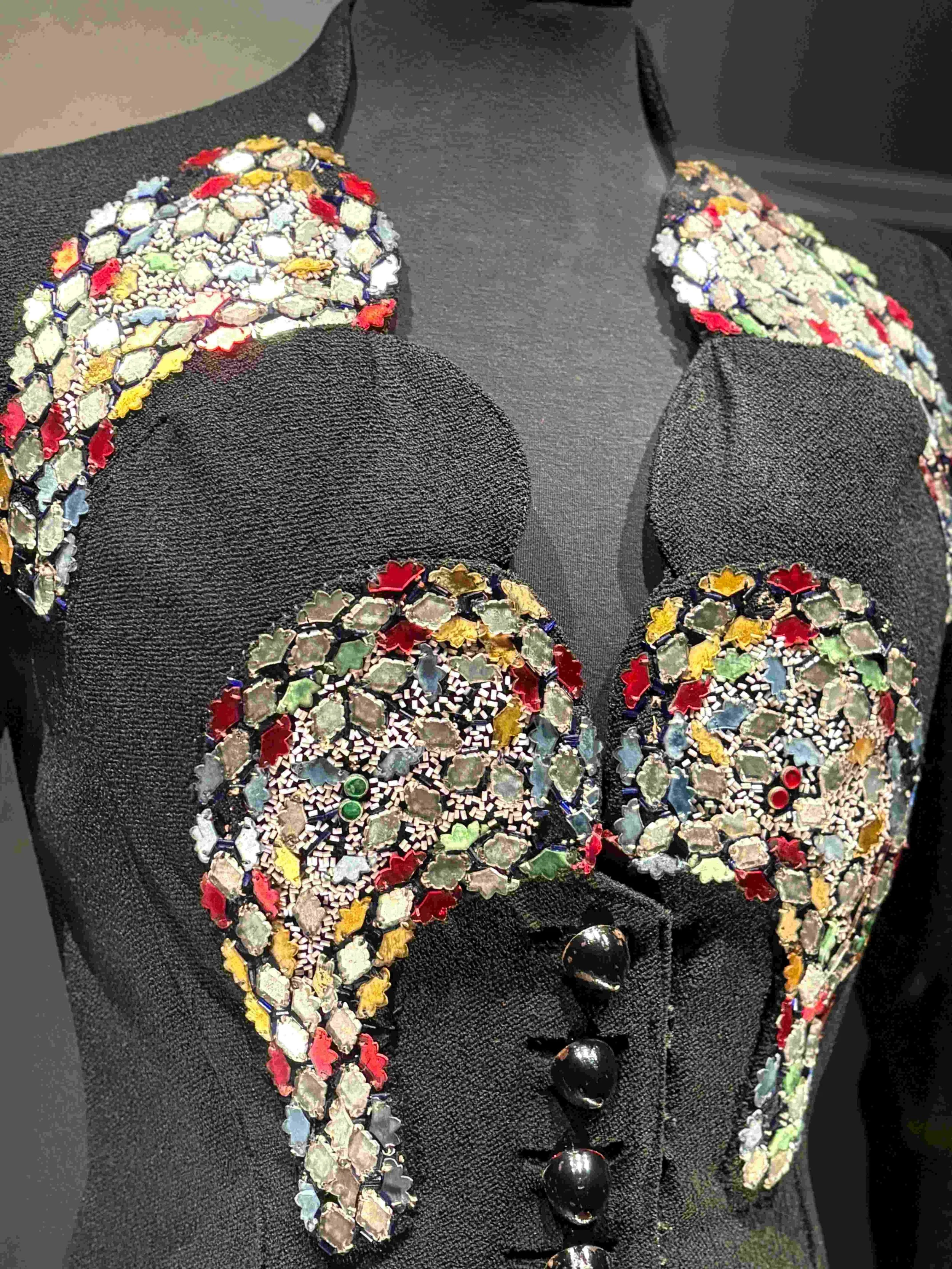
The Real Thing: What Pictures Never Tell You
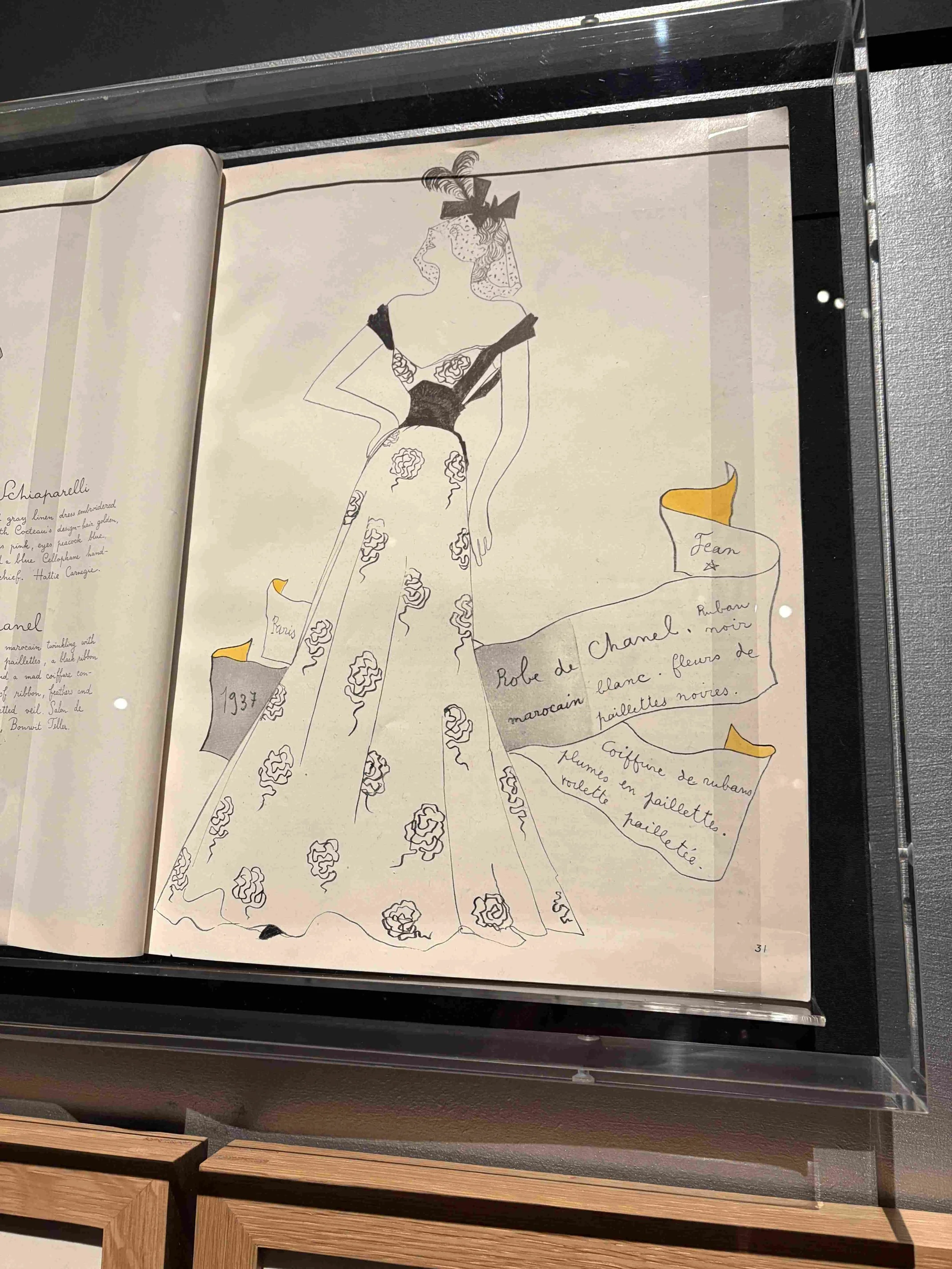
When you know Elsa’s history—the way she defied Coco Chanel, championed radical artists, and brought surrealist subversion to 1930s Paris—you enter the gallery with high expectations.
What struck me immediately was the sheer tactility of the work.
Photos flatten garments, but in real life, you see the hand-stitched humanity in every line:
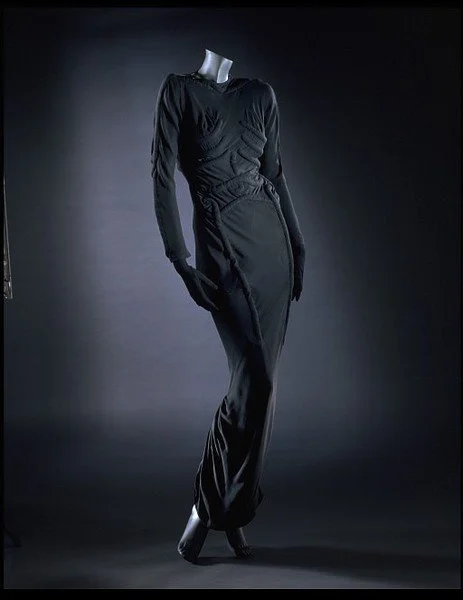
The Skeleton Dress (1938): Seeing the 3D padded quilting of the ribs up close blew me away.
Born out of a iconic collaboration with Salvador Dalí (who gave Elsa a sketch of a woman with exposed bones and wrote, "I like this idea of 'bones on the outside' enormously"), the dress isn't just a pattern printed on fabric. It is an architectural sculpture built out of silk crepe and stuffed wadding.
Fashion History Timeline - Fashion Institute of Technology+ 1
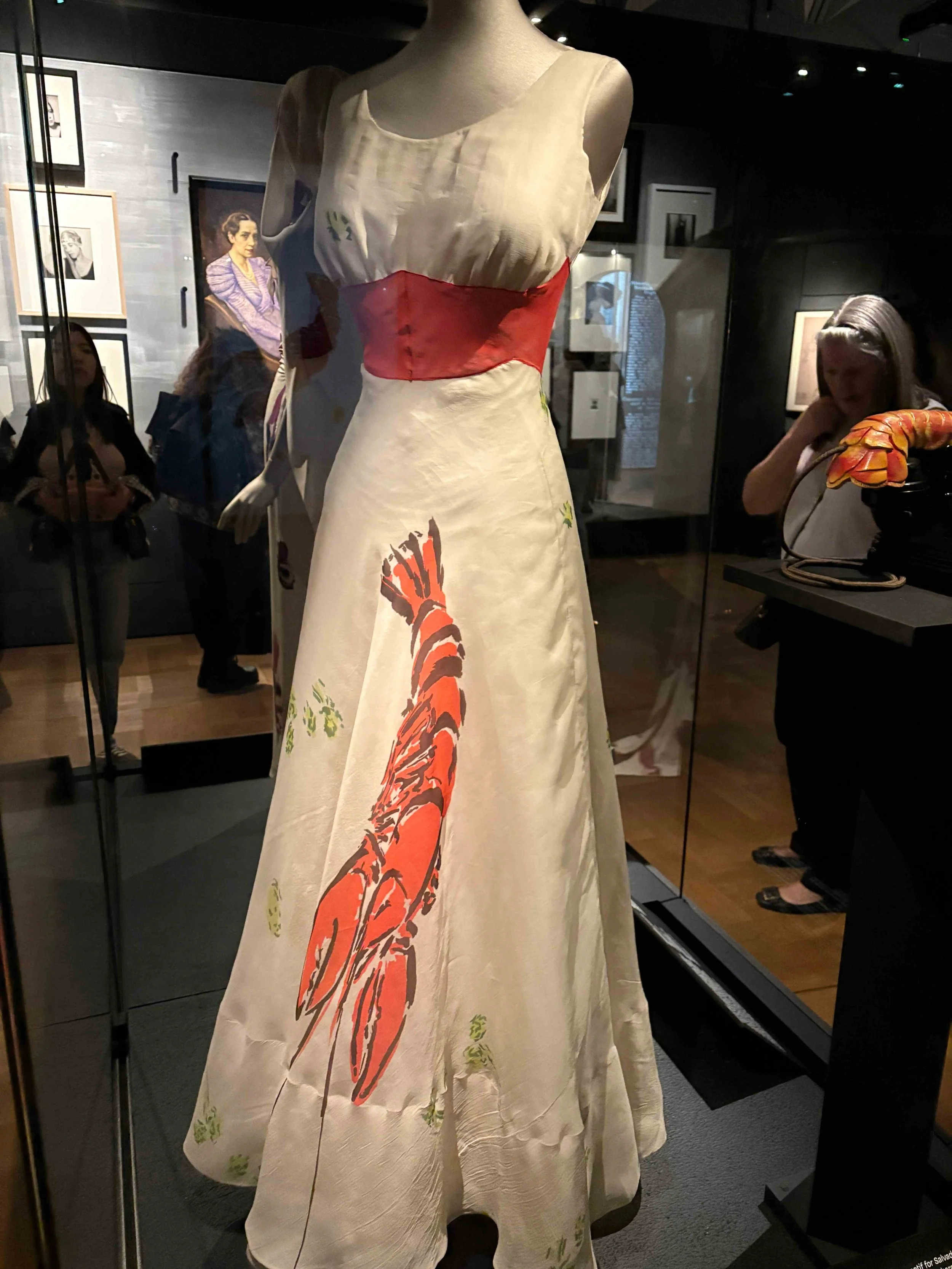
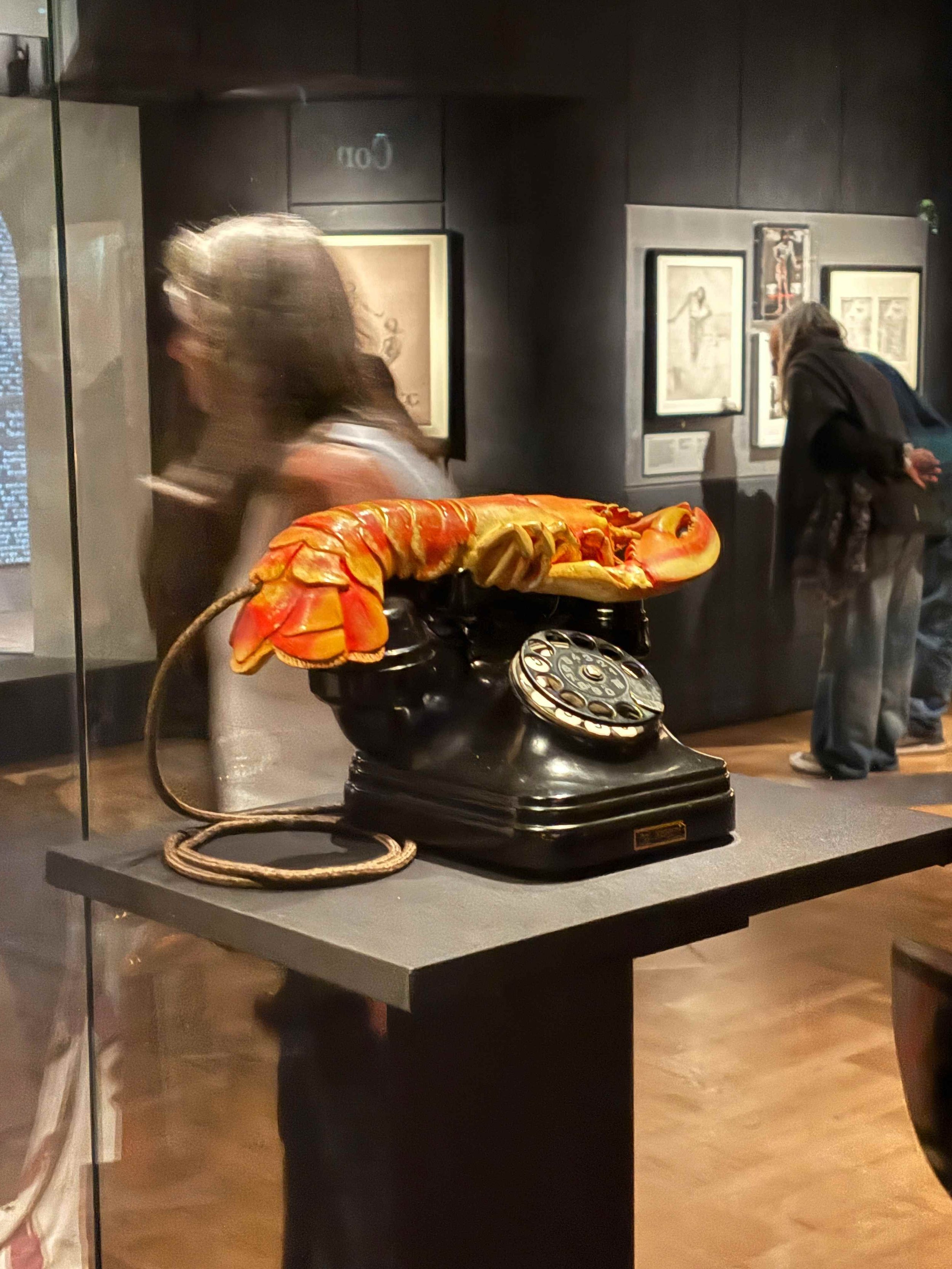
The Lobster Gown (1937): In person, the sheer lightness of the organza contrasts so dramatically with Dalí's bold painted lobster.
You suddenly realize how brave a woman had to be to wear that in the 1930s.
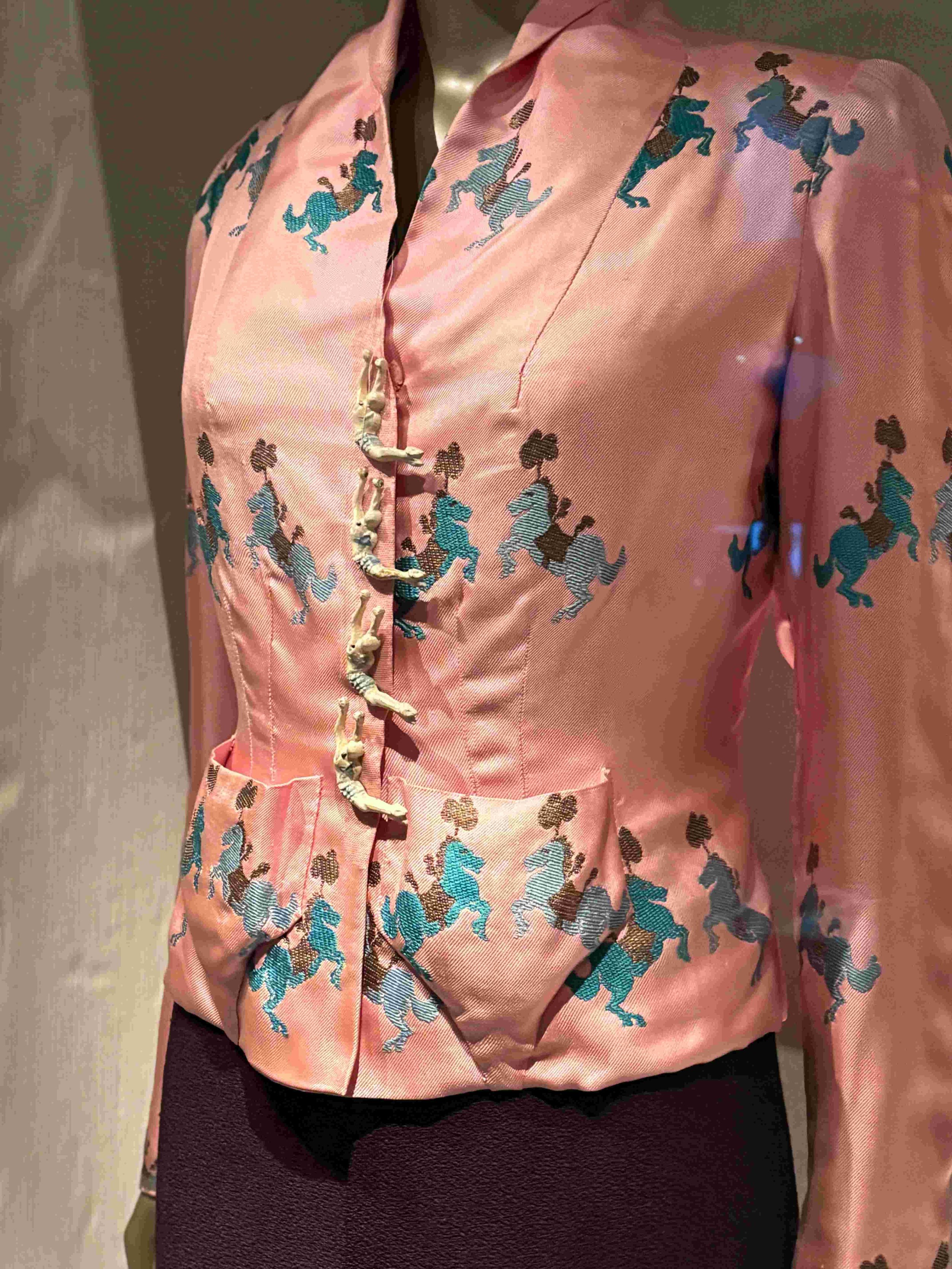
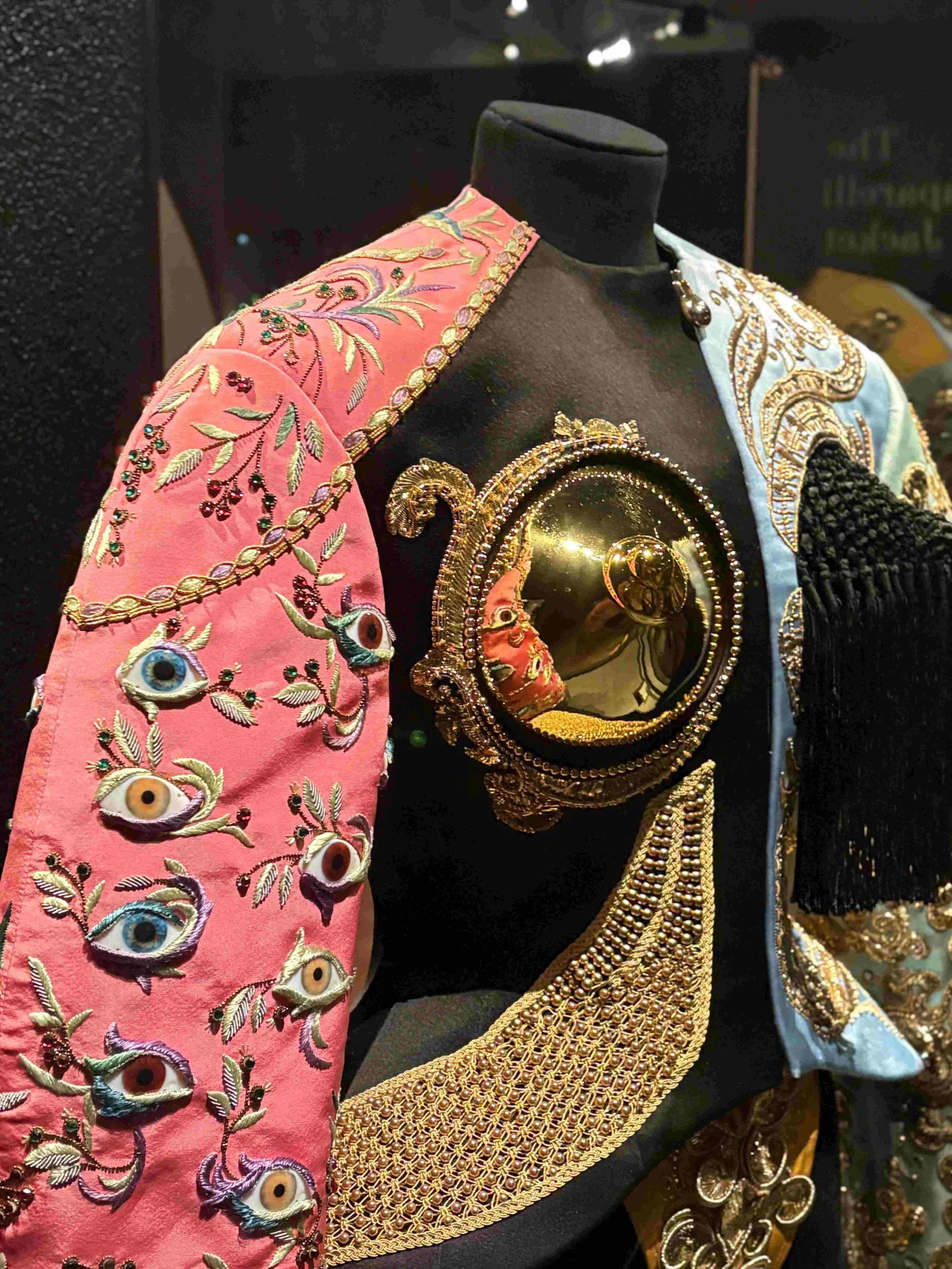
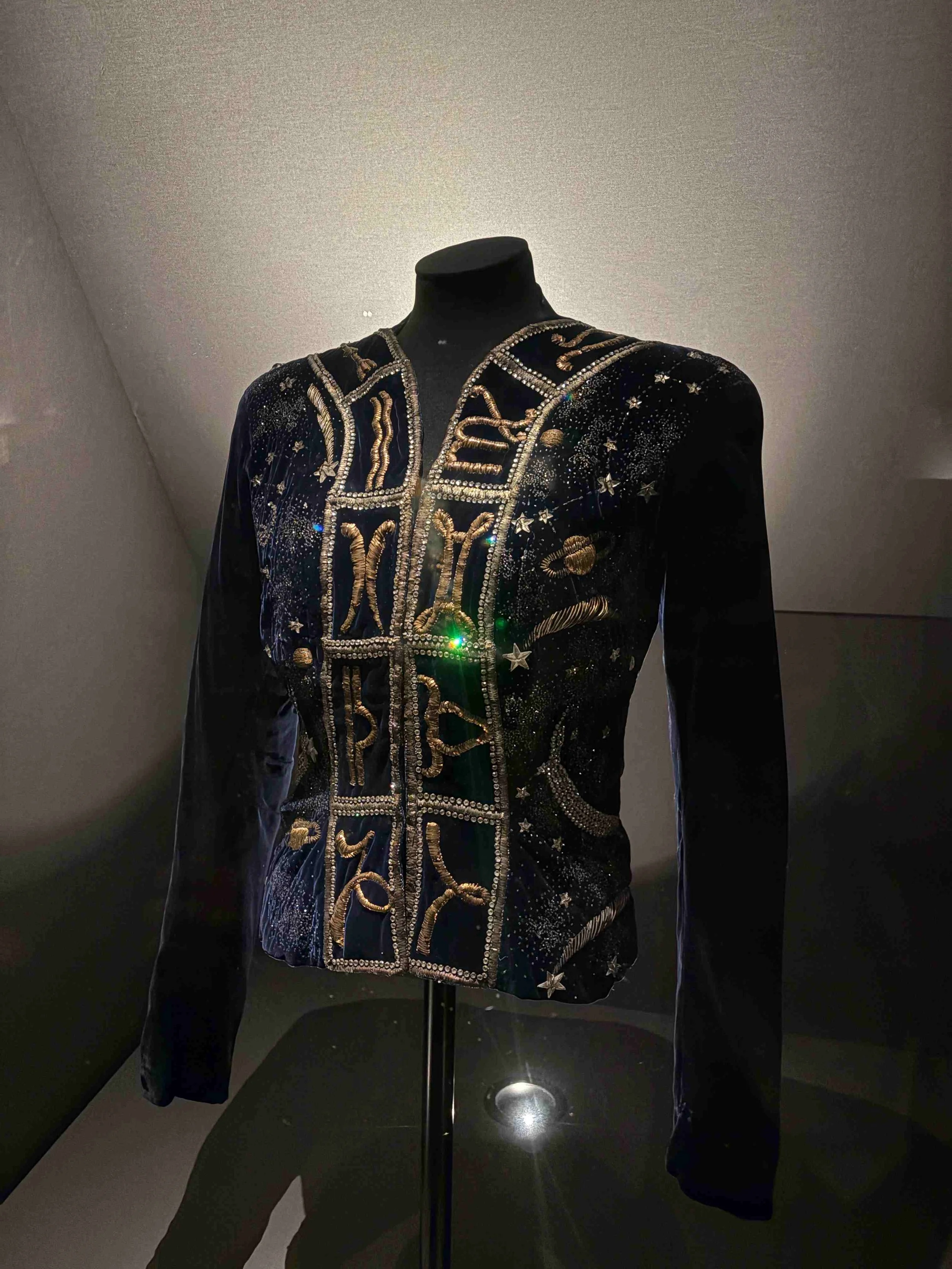
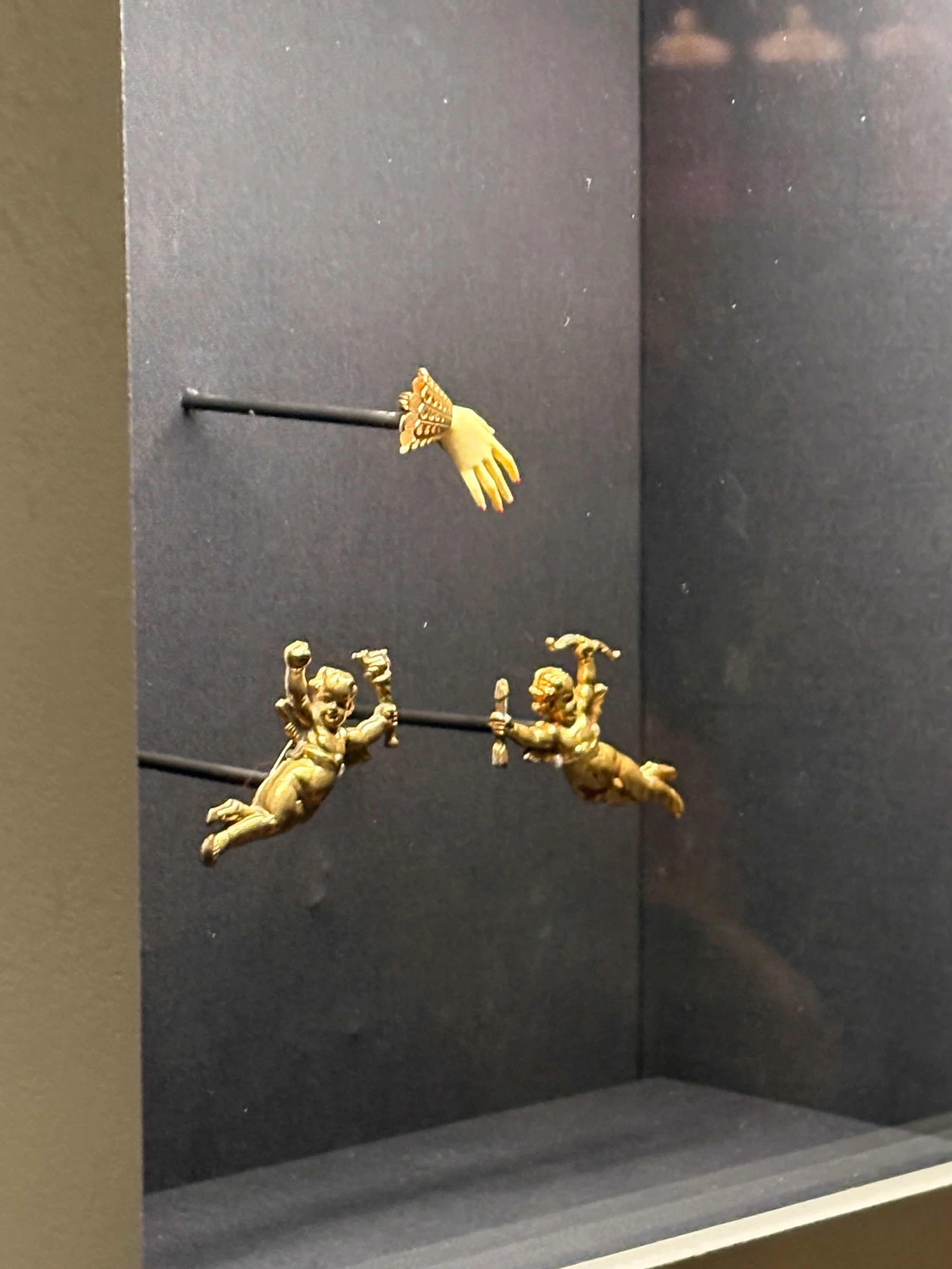
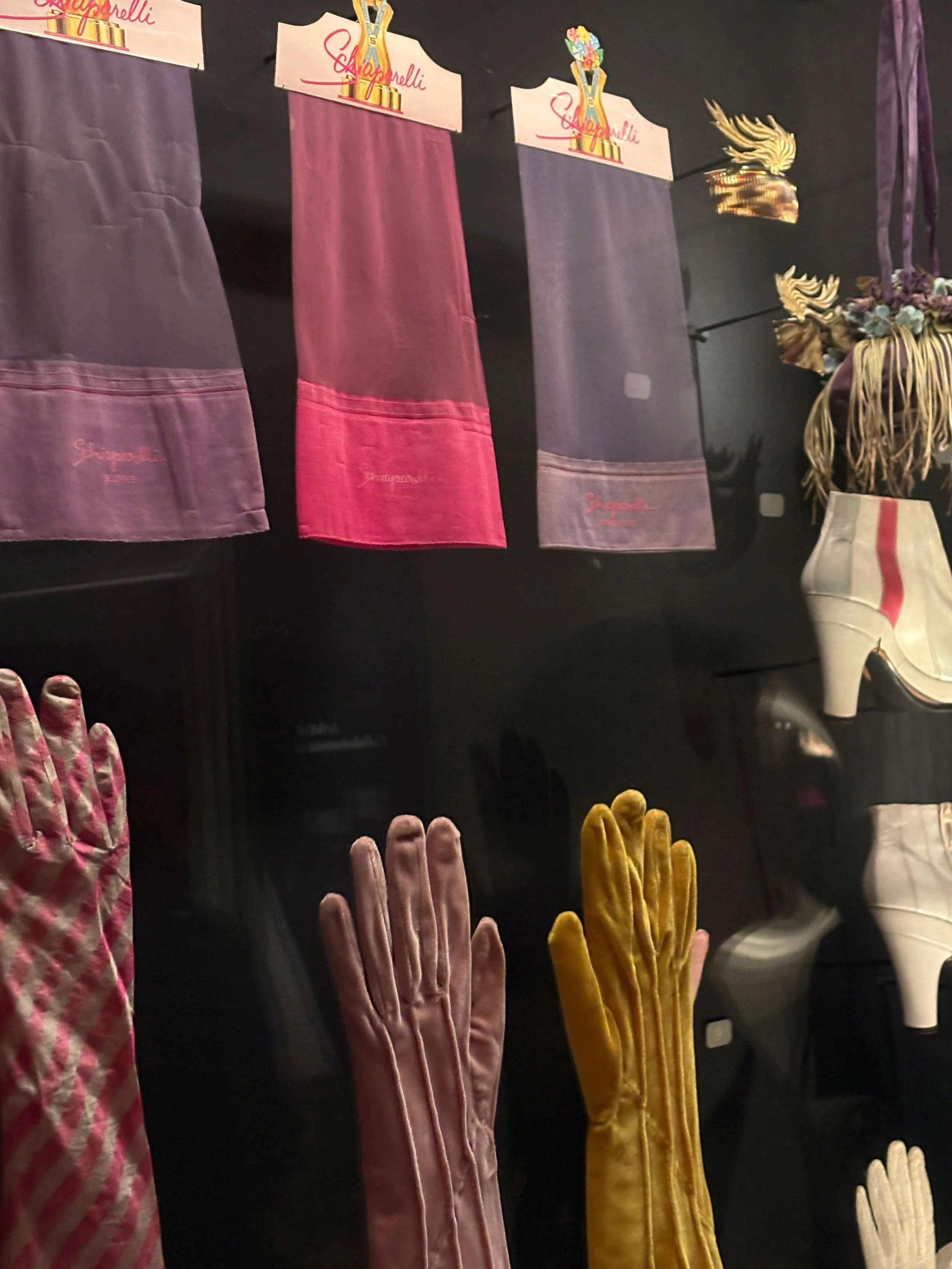
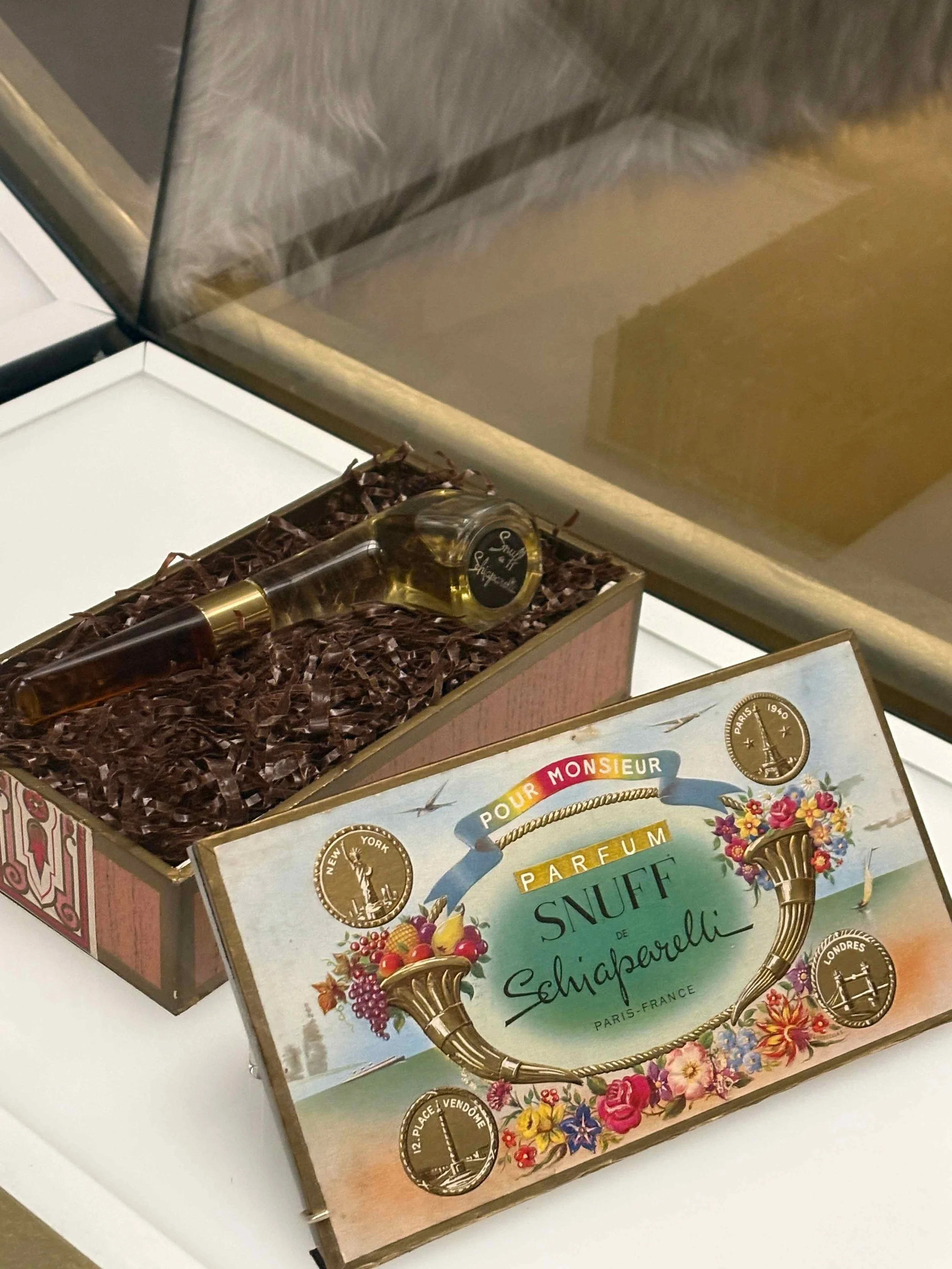
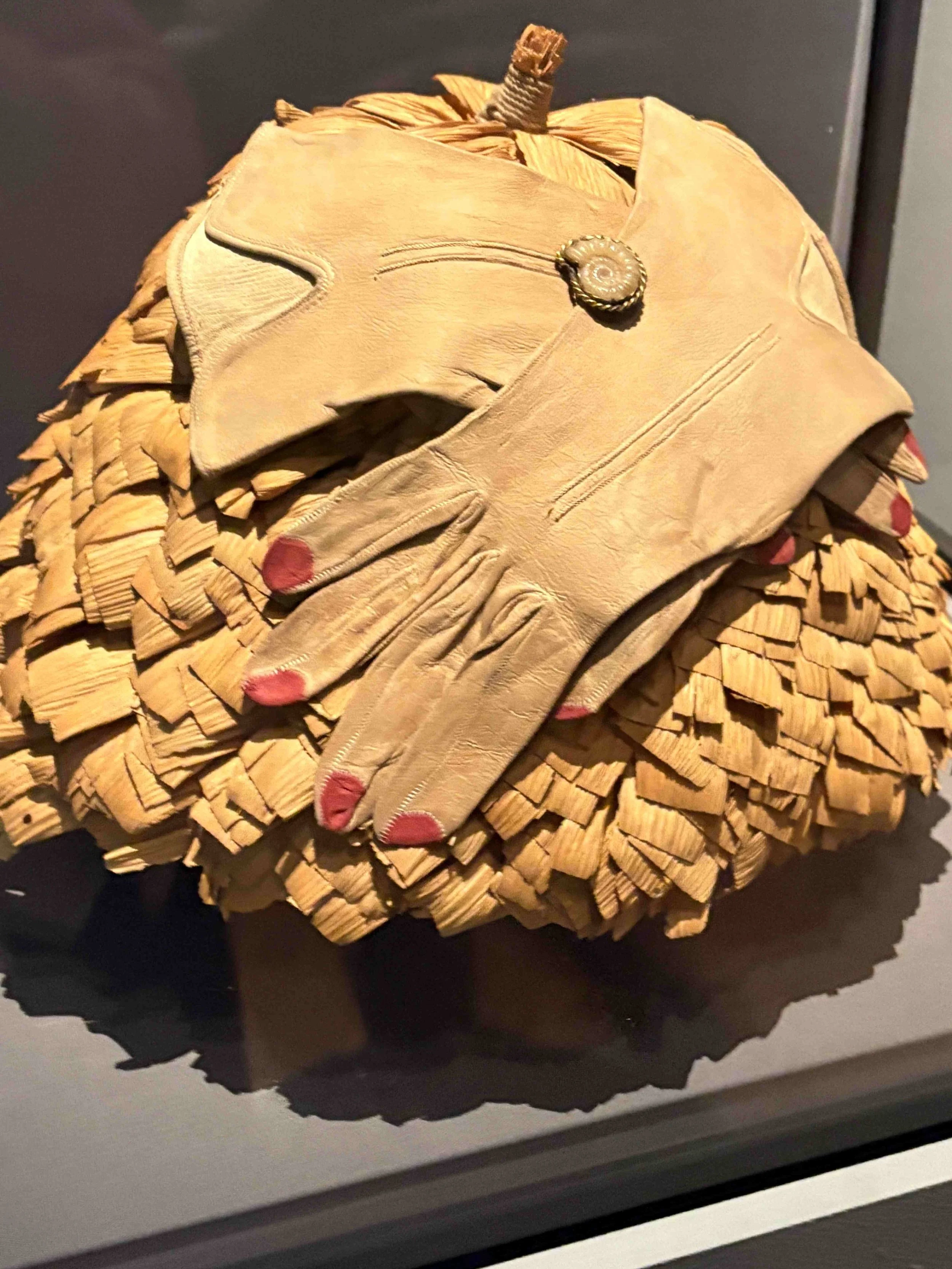
The Whimsical Details: I spent ten minutes just studying the buttons—tiny, meticulously carved peanuts, acrobats, and metallic insects that proved Elsa never took fashion too seriously.
The Daniel Roseberry Connection: The Real Thrill
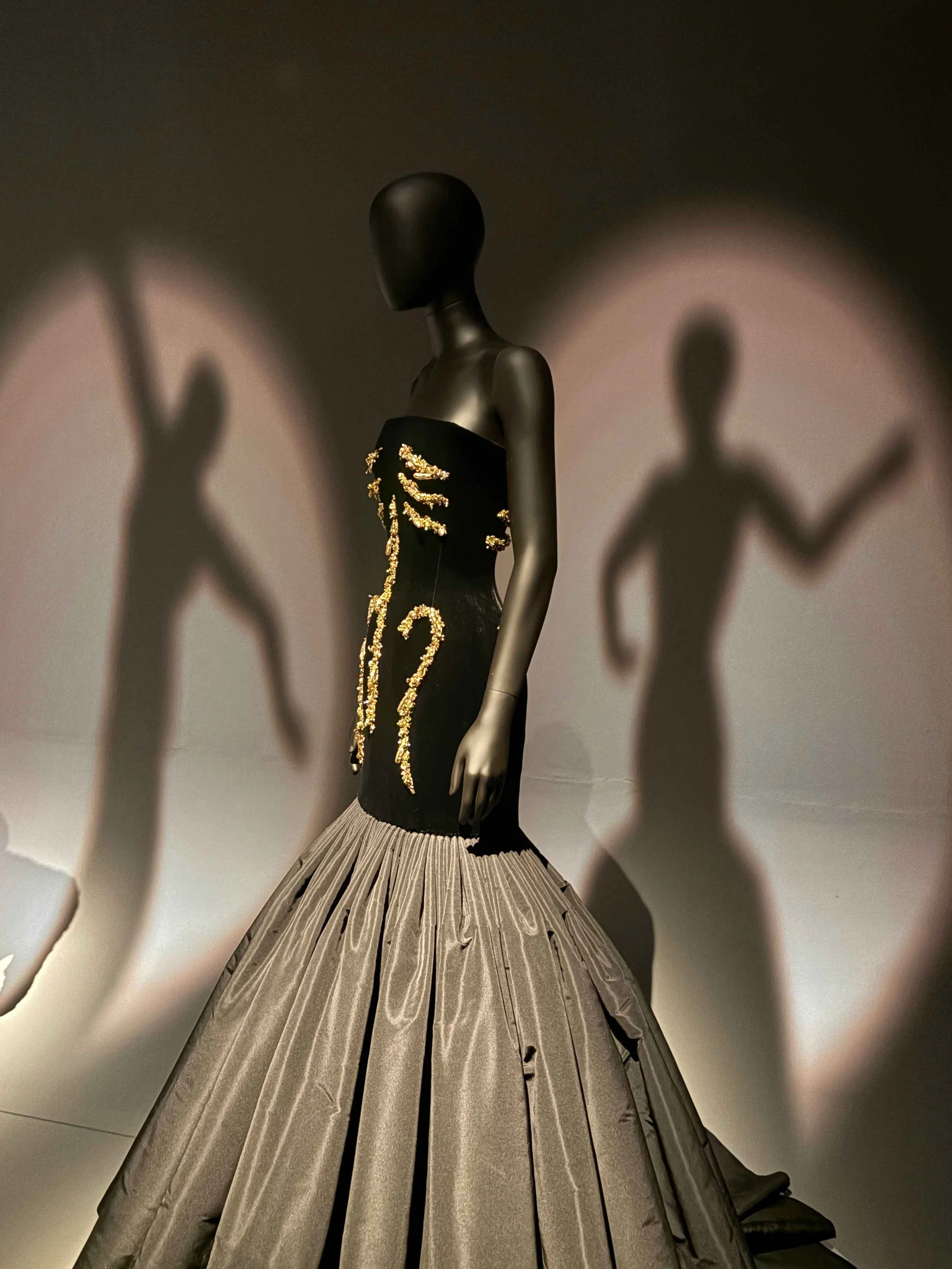
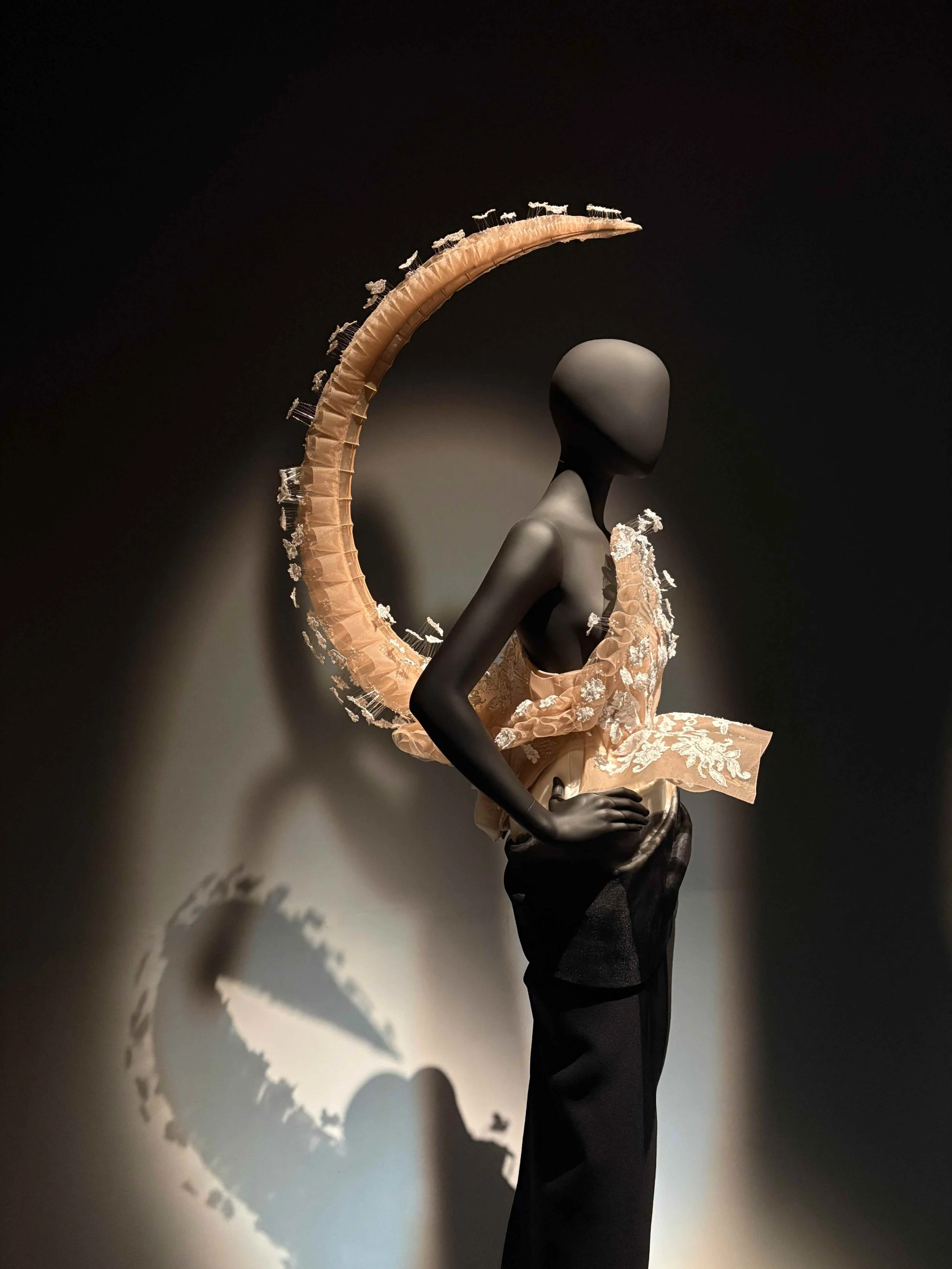
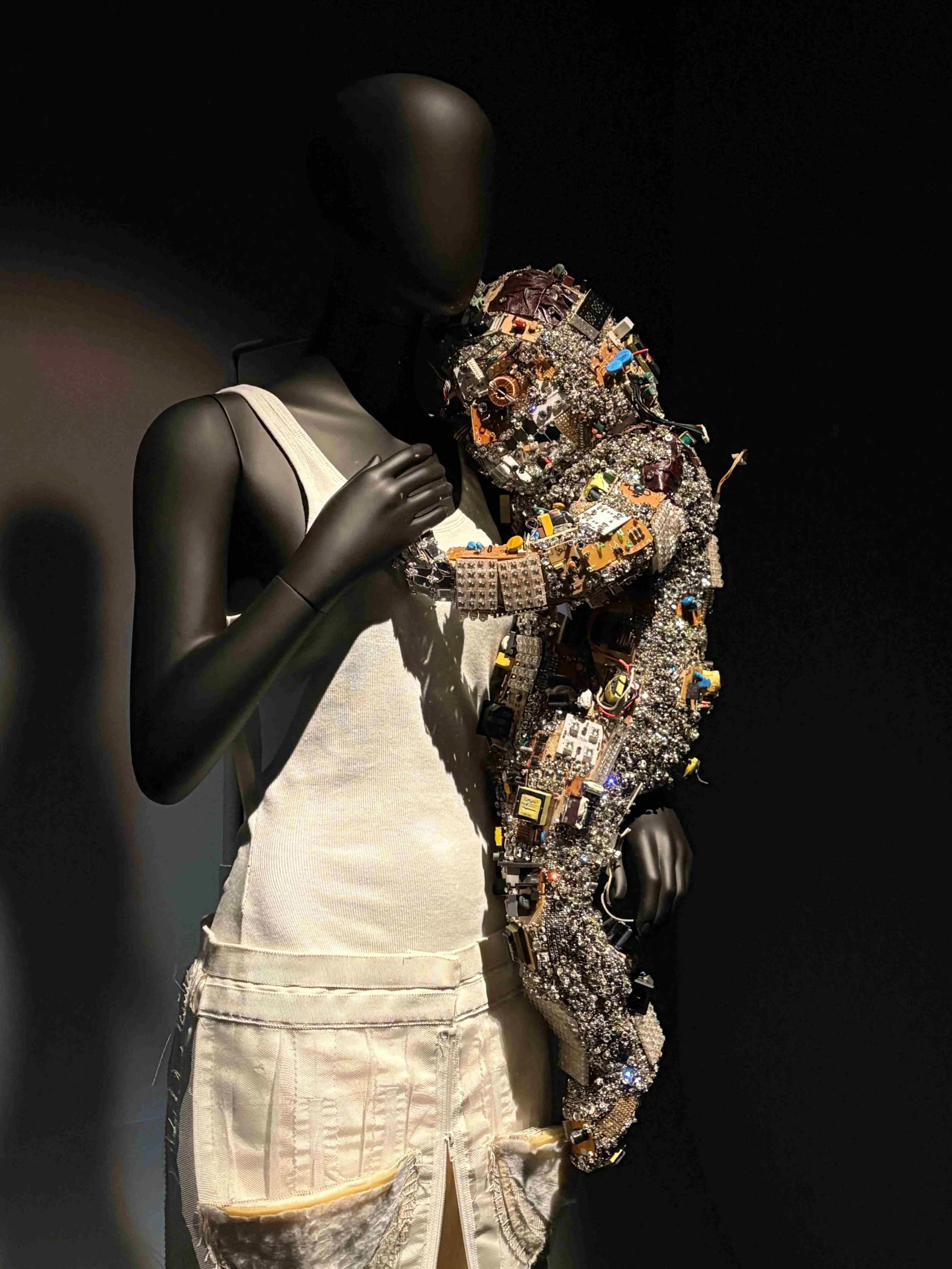
As excited as I was for the vintage archive, I was just as thrilled to see Daniel Roseberry’s work in the flesh.
When he took over as Creative Director in 2019, he had the near-impossible task of reviving a house dormant for decades without turning it into a dusty museum piece.
Standing in front of Roseberry's pieces at the V&A, the continuity felt magnetic:
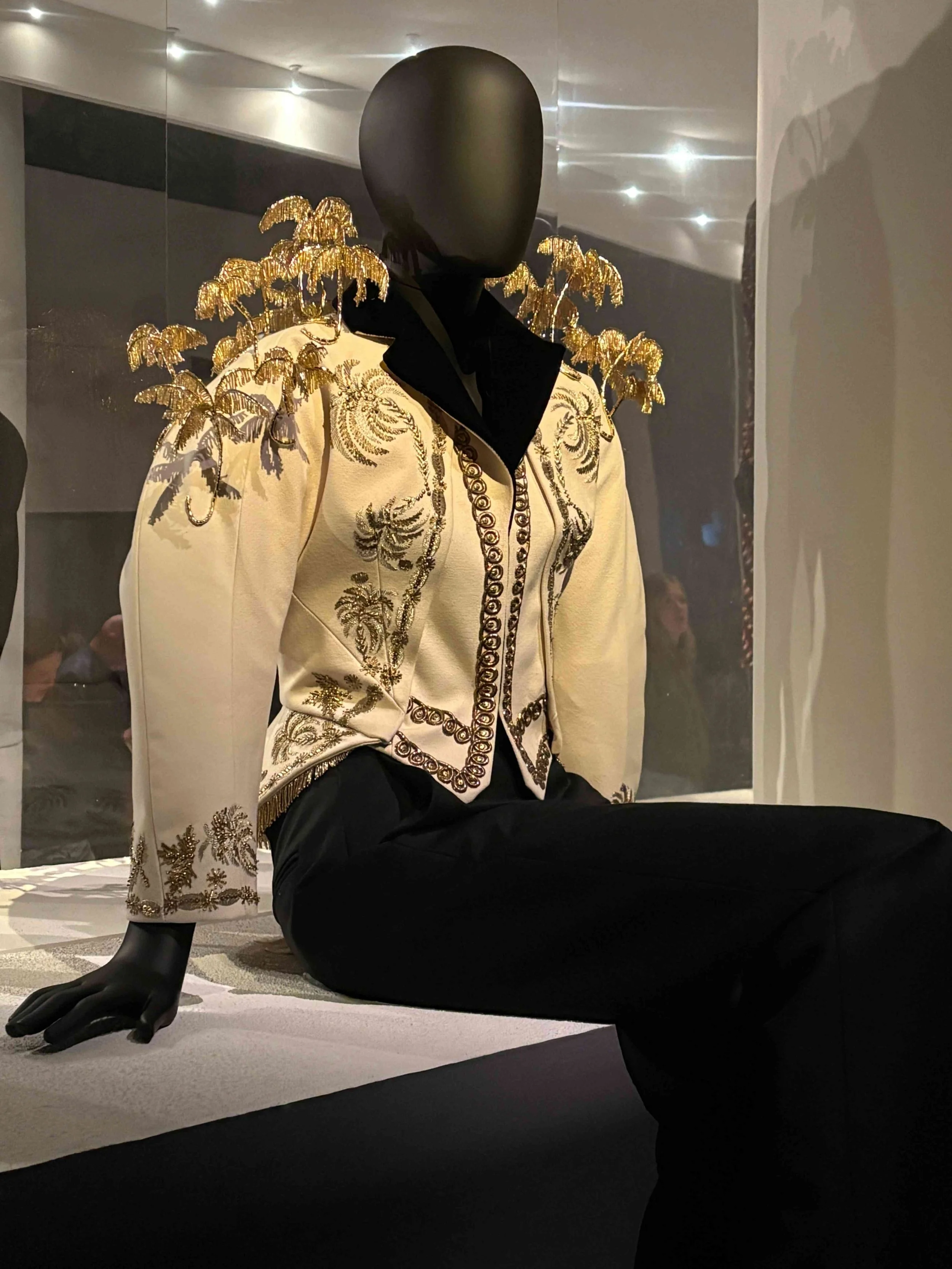
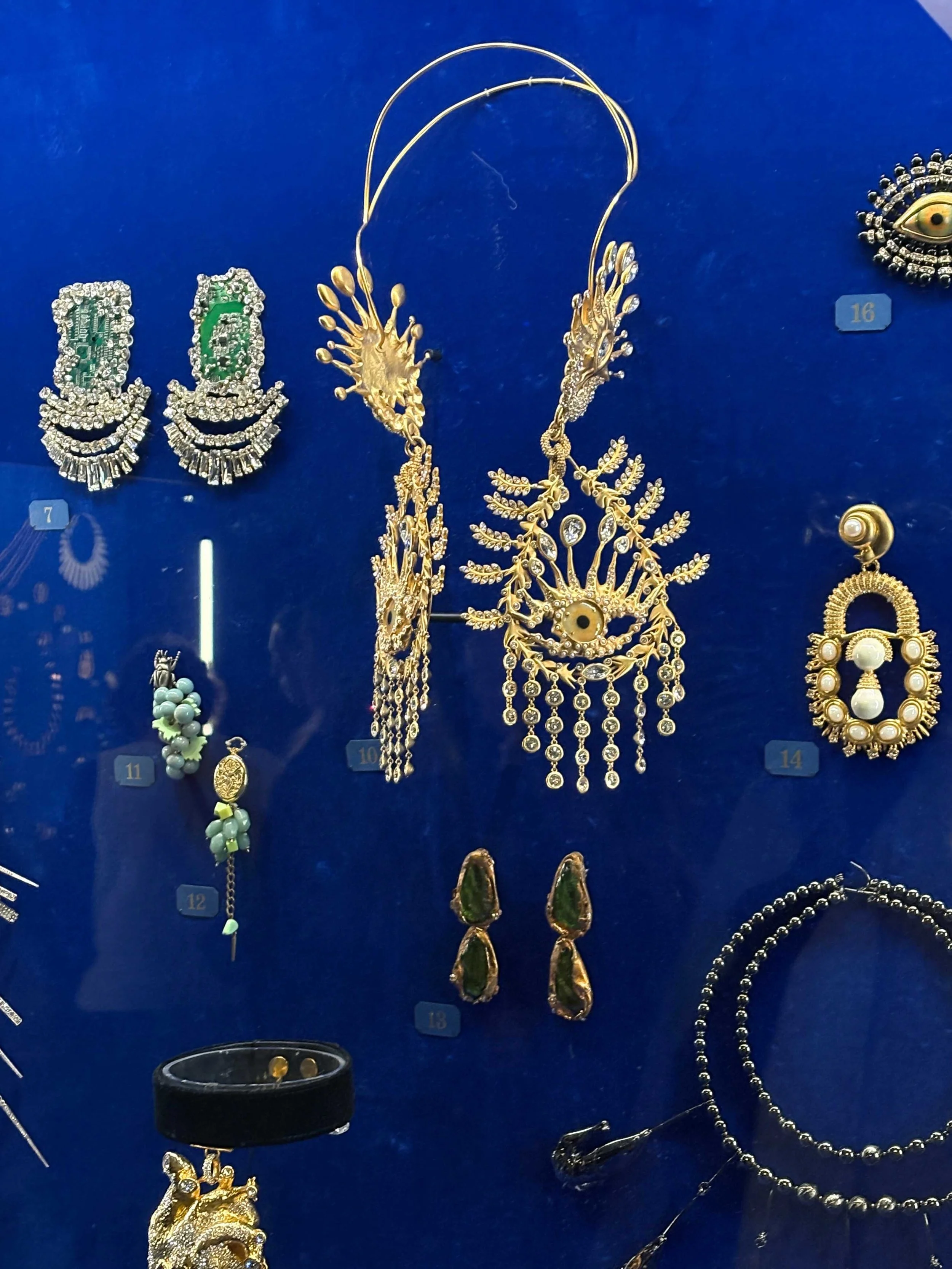
The Metalwork: His gilded anatomical jewelry—sculpted lungs, ears, and golden breastplates—doesn't just quote Elsa and Dalí; it speaks their language with a modern 21st-century volume.
The Tailoring: Seeing his sharp, exaggerated shoulder silhouettes in person confirms how deeply he understands Elsa’s love for structure and drama.
Instead of feeling like two separate eras crammed into one room, the exhibition feels like a continuous, century-long dialogue between artists who refuse to let fashion be boring.
A Reflection
I have always looked at the fashion design world as a deeply personal source of inspiration. To me, Elsa Schiaparelli stands out as the ultimate example of a woman who channeled raw creativity and fearless innovation to completely revolutionize the fashion landscape.
She reshaped how the world looks at female entrepreneurs. In an era that wasn't built for bold, independent women, she built an empire on her own terms—proving that business, art, and uncompromising vision could coexist.
Having the chance to see her creations in real life was a moment I’ll cherish for a long time. It was a powerful reminder of what happens when a woman refuses to dilute her vision, and I walked out of the V&A feeling more inspired than ever.
Where to find it
V&A South Kensington: Exhibition, Schiaparelli: Fashion Becomes Art until 08 November 2026